
Getting CPR certified is important, but choosing the right CPR course is just as important. Many people sign up for training without checking if they need an initial certification or a renewal class. The wrong choice can lead to extra costs, scheduling delays, and unnecessary training time. Some employers and healthcare programs also require a specific type of certification.
If you are searching for CPR classes Texas, take a moment to confirm which course matches your current certification status. Choosing the correct class helps you stay certified, meet workplace requirements, and remain prepared to respond during a medical emergency.
What Is an Initial CPR Certification?
An initial CPR certification is designed for people taking CPR training for the first time or for those whose certification has expired beyond the renewal period.
The course starts with the basics. Participants learn:
- How to recognize a cardiac emergency
- When to call for emergency medical services
- How to perform high-quality chest compressions
- Rescue breathing techniques when required
- Safe use of an automated external defibrillator (AED)
- Basic first aid concepts, if included in the course
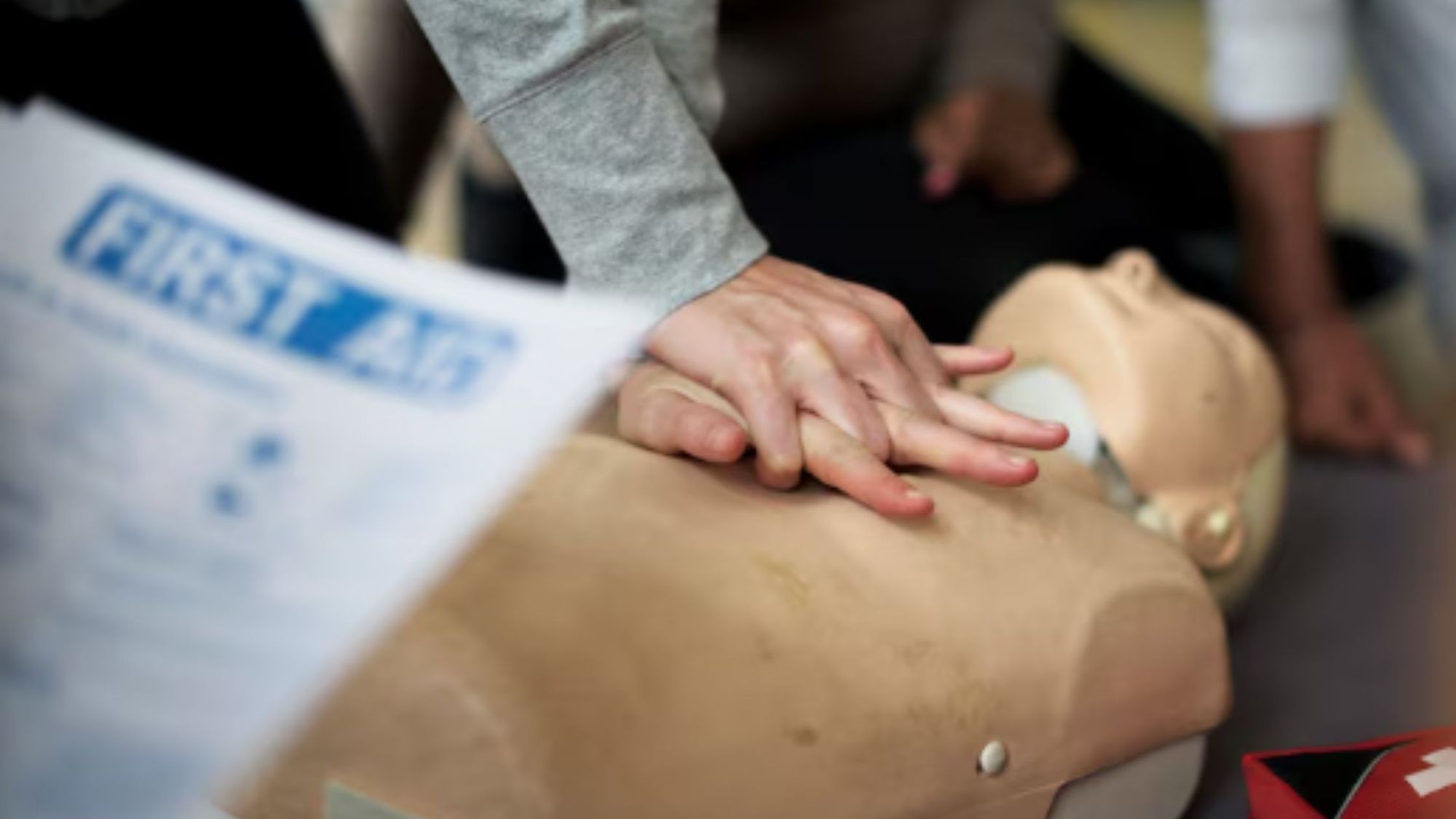
Hands-on practice is an important part of the training. Students work with CPR manikins and AED trainers to build confidence before receiving certification.
What Is CPR Renewal Training?
Renewal training is for people who already hold a valid CPR certification that is close to expiring.
Instead of starting from the beginning, renewal courses review existing knowledge and focus on refreshing practical skills. Participants practice CPR techniques, review current guidelines, and complete skills testing before receiving a new certification.
The goal is simple. Keep life-saving skills current so they can be used correctly during an emergency.
Who Should Take an Initial Certification?
An initial course is the right choice for:
- First-time learners
- New employees who need CPR certification
- College students entering healthcare programs
- Teachers, coaches, childcare workers, and workplace safety teams
- Anyone whose certification has expired beyond the accepted renewal period
Many providers offering CPR classes Texas have courses for both the general public and workplace groups, making it easier to find training that fits different needs.
Who Needs Renewal Training?
Renewal courses are for people who already use CPR at work. This includes nurses, doctors, emergency medical personnel, dental professionals, physical therapists, healthcare students, and workplace response teams.
Many CPR classes for healthcare provider Texas offer renewal training that helps participants keep their certification current while refreshing important CPR and AED skills. This keeps them prepared for emergency situations.
Is the Course Length Different?
Yes, in many cases.
Initial certification usually takes longer because every skill is taught from the beginning. Students spend more time practicing CPR steps, AED use, and emergency response procedures.
Renewal courses are often shorter because participants already understand the basic concepts. The focus is on reviewing skills, correcting mistakes, and completing competency testing. The exact course length depends on the training provider and the certification program.
Do Both Courses Include Hands-On Practice?
Yes. Hands-on practice is one of the most important parts of CPR education. Reading instructions alone is not enough.
Students should practice:
- Chest compressions
- Rescue breaths, when required
- AED operation
- Team-based emergency response
- Adult, child, and infant CPR, depending on the course
Practical training helps people respond with greater confidence during real emergencies.
Are Healthcare Provider Courses Different?
Yes. Healthcare professionals often need more advanced CPR training than members of the general public.
Healthcare provider courses usually include:
- Team-based resuscitation
- High-performance CPR
- Bag-mask ventilation
- Adult, child, and infant CPR
- Advanced AED use
These programs follow nationally accepted guidelines and are designed for clinical settings where healthcare workers respond to medical emergencies as part of their daily responsibilities.
How Often Should CPR Certification Be Renewed?
Most CPR certifications remain valid for two years. Renewing before the certification expires helps avoid gaps that could require taking the full initial course again. Many training providers also offer reminders and flexible scheduling to make the renewal process easier.
Keeping certification current also helps people stay familiar with updated CPR recommendations and best practices.
How to Choose the Right Course
If you are unsure which course you need, ask yourself a few simple questions.
- Have I ever completed CPR certification before?
- Is my current certification still valid?
- Does my employer require healthcare provider certification?
- Do I need CPR for work, school, or personal knowledge?
Your answers will help determine if an initial certification or renewal course is the better fit.
It is also helpful to choose a program that includes hands-on learning, nationally recognized certification, experienced instructors, and flexible scheduling.
Why Regular CPR Training Matters
CPR skills can fade over time if they are not practiced. Renewal training keeps those skills fresh and reinforces the correct techniques. It also helps participants stay informed about updates to CPR guidelines that may change over the years.
For healthcare professionals, regular training supports workplace requirements and promotes consistent patient care. For everyone else, it provides the confidence to act during an emergency instead of feeling unsure.
Ending Note
Initial certification and renewal courses both teach valuable life-saving skills, but they serve different purposes. Initial training builds knowledge from the ground up, while renewal training refreshes existing skills and keeps certifications current.
If you are looking for CPR classes for healthcare provider Texas, make sure the course matches your professional requirements and includes hands-on practice. If you simply need workplace or community training, many CPR classes provide flexible options for first-time learners and those renewing their certification.
Getting the right course today helps you stay prepared for the moments when quick action can make all the difference.