
A heart emergency does not send a warning first. It can happen during a family dinner, at a school event, in the office, or while watching a child play outside. In those first few minutes, people often freeze because they do not know what to do. That is exactly why more people are joining CPR courses Denton and nearby.
Many people believe CPR training is only for doctors or nurses. But the truth is much simpler. CPR classes are made for regular people too. Parents, grandparents, students, teachers, office workers, and caregivers all take these classes every year.
Why More Everyday People Are Learning CPR
Imagine someone collapsing in front of you. Most people would immediately call 911. But what happens while waiting for help? Emergency teams may take several minutes to arrive. During that time, CPR can help keep oxygen flowing through the body.
Health experts explain that immediate CPR may improve survival chances during cardiac arrest. Quick action matters. Even simple chest compressions can help before paramedics arrive. This reality has encouraged more families and workplaces to take CPR training seriously.
Today, CPR classes are common for:
· Parents and babysitters
· School staff
· Fitness trainers
· Coaches
· Construction crews
· Office employees
· Restaurant workers
· Church volunteers
· College students
Some people take CPR classes because of job requirements. Others take them because they never want to feel helpless during an emergency again.
Do You Need a Medical Background?
No. You do not need any healthcare experience.
This is one of the biggest misunderstandings about CPR training. Most classes are created specifically for beginners. Instructors understand that many students are nervous during their first session.
That is why classes usually start with basic steps and simple explanations.
Students learn:
· How to recognize cardiac arrest
· When to call emergency services
· How to perform chest compressions
· Basic rescue breathing
· How to help someone choking
· How to use an AED device safely
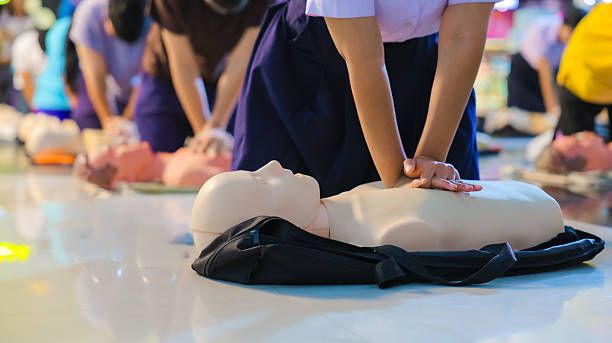
The training is hands-on and practical. Students often practice on mannequins while instructors guide them step by step. Many CPR classes in Denton and beyond offer blended learning options. This allows students to complete part of the lesson online before attending the in-person skills session.
What CPR Class Feels Like for First-Time Students
Many people walk into class feeling nervous. They worry the training will feel too technical or difficult to understand. But most are surprised by how simple and supportive the environment feels. Instructors usually explain situations using real-life examples instead of complicated medical terms. Students practice slowly and repeat steps until they feel comfortable.
There is no pressure to be perfect right away. The goal is to help ordinary people stay calm and respond safely during emergencies.
During class, students usually learn:
· Correct hand placement for compressions
· Compression timing and rhythm
· Safe AED use
· Choking response techniques
· Emergency response steps for adults and children
Healthcare workers may need advanced BLS certification. But general CPR classes are usually focused on public emergencies and beginner-friendly learning. Many providers offering CPR courses Denton and nearby keep smaller class sizes so students receive proper attention during practice sessions.
The Emotional Side of Learning CPR
For many people, CPR training becomes personal. A parent may take a class after hearing about a child choking accident. A husband may sign up after watching a family member suffer a heart emergency. A teacher may want to feel ready if a student suddenly collapses during school hours. These situations stay in people’s minds.
One of the hardest feelings during an emergency is helplessness. CPR training helps reduce that fear by teaching people what steps to take before medical teams arrive.
No class can remove the stress of an emergency completely. But learning CPR often gives people more confidence and a clearer sense of direction during frightening moments.
How Long Does CPR Certification Take?
Most beginner CPR classes are completed within a few hours. Some programs take half a day, while others combine online lessons with hands-on practice. The time depends on the type of certification and the skills included in the course.
After completing the training, students usually receive certification that remains valid for about two years. Many CPR classes in Denton and beyond also offer renewal sessions for people whose certifications are about to expire.
Can CPR Really Save Someone’s Life?
Yes. And sometimes, the person helping is not a healthcare professional. In many emergencies, the first person nearby is simply a family member, coworker, teacher, or stranger. CPR gives that person a chance to help before paramedics arrive.
AED devices also play a major role today. These machines are now found in schools, gyms, airports, shopping centers, and offices. CPR classes teach students how to use them safely during emergencies.
Even basic CPR knowledge may help someone respond faster and more calmly during critical moments.
Final Words
You do not need scrubs, medical school, or healthcare experience to learn CPR. You only need the willingness to learn a skill that may help someone during one of the worst moments of their life.
That is why interest in CPR courses Denton and nearby continues to grow among parents, teachers, employees, students, and local families. More people now understand that emergencies can happen anywhere, and simple knowledge can make a real difference.
Taking a CPR class may only take a few hours. But the confidence and preparedness it brings can stay with someone for years.